Hardtop vs Soft Top Gazebo: Cost, Maintenance & Which to Choose
Compare rigid roof panels and fabric canopies by installed cost, care and intended season of use. The best choice depends on the exact kit and how you plan to maintain it.
Table of contents
Separate the roof type from the frame materialCompare the total cost in separate layersDecide which maintenance routine you can sustainMatch the model to the season and siteChoose around your actual use patternPrepare the comparison before arranging assembly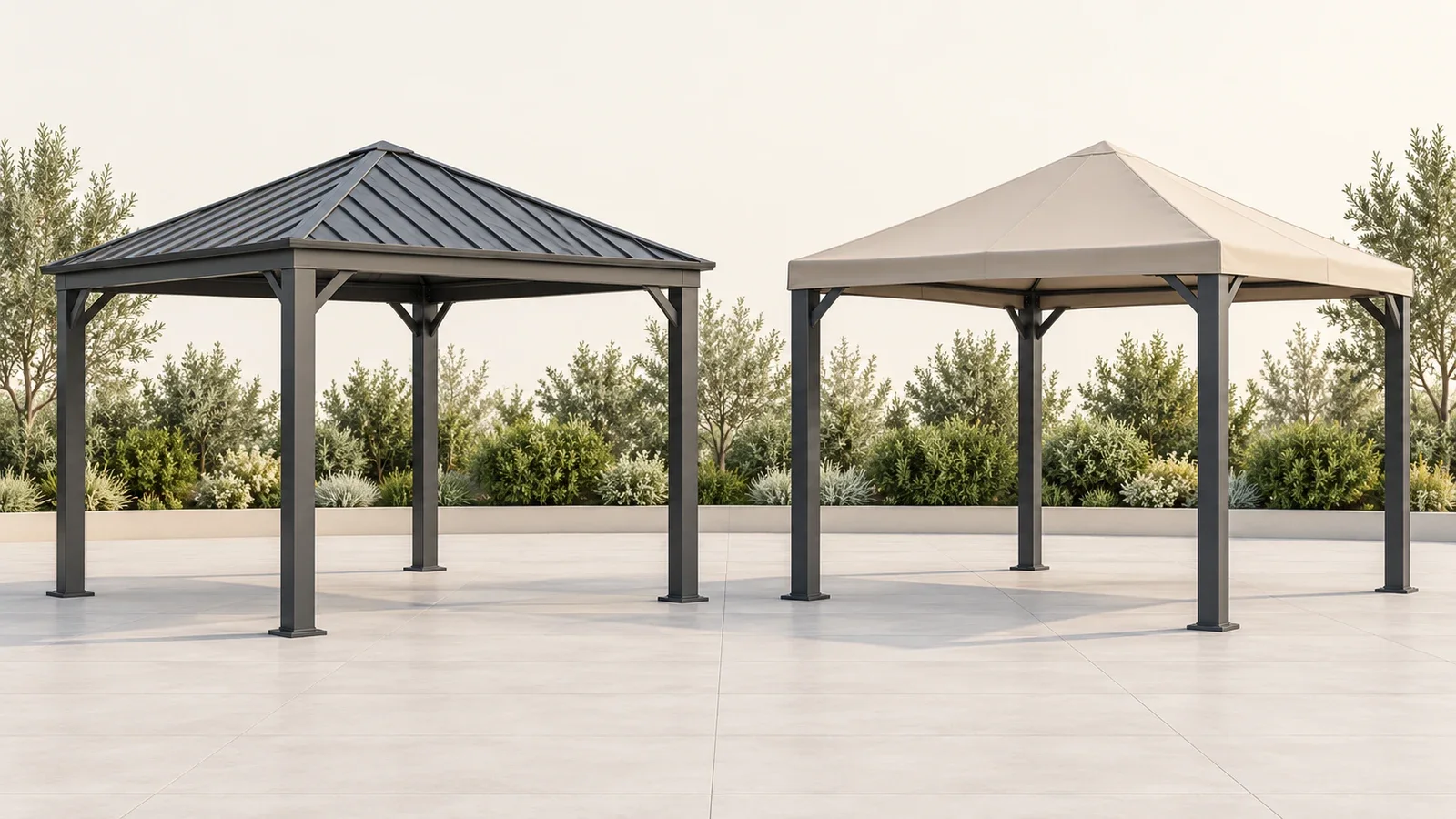
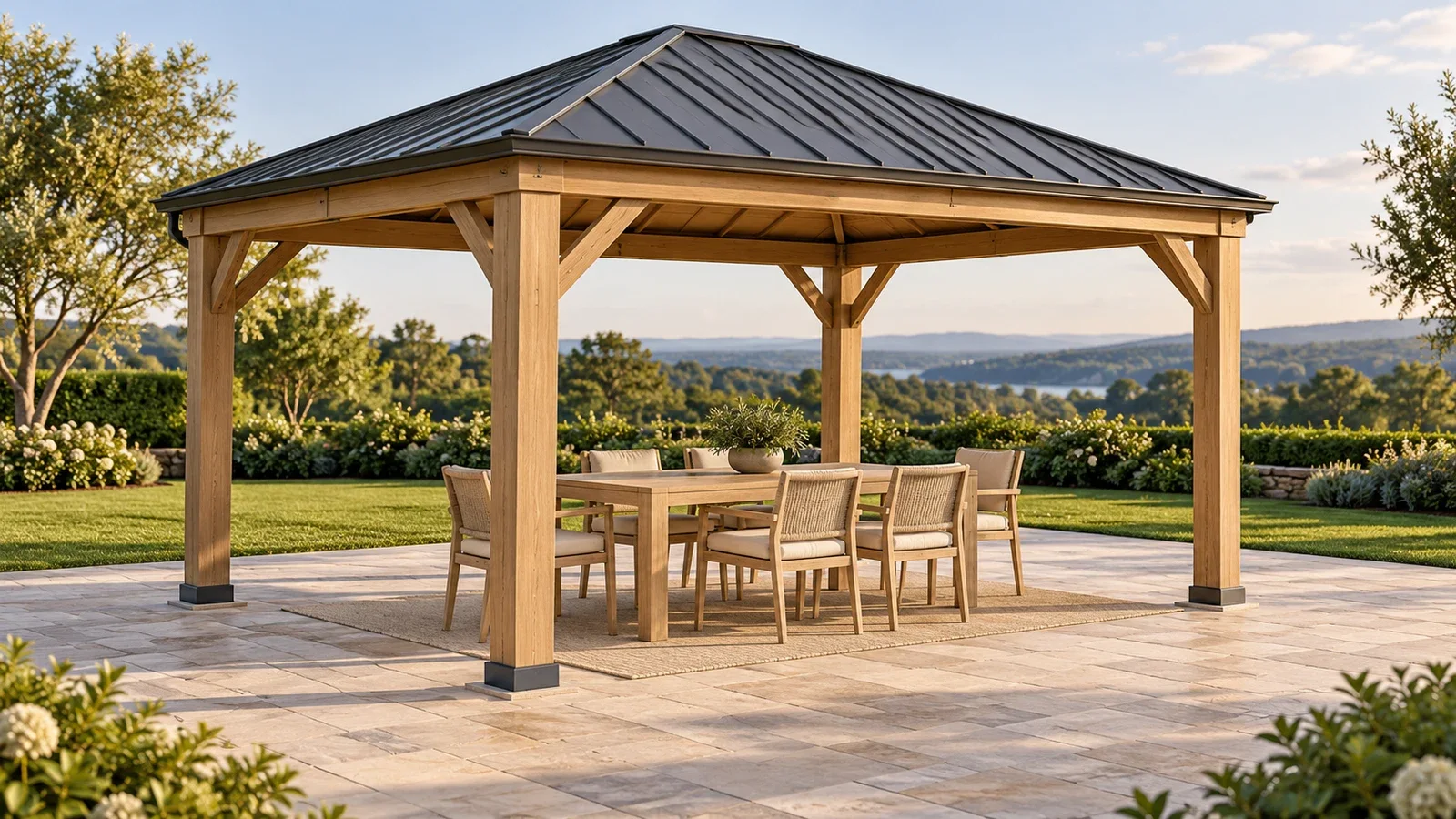
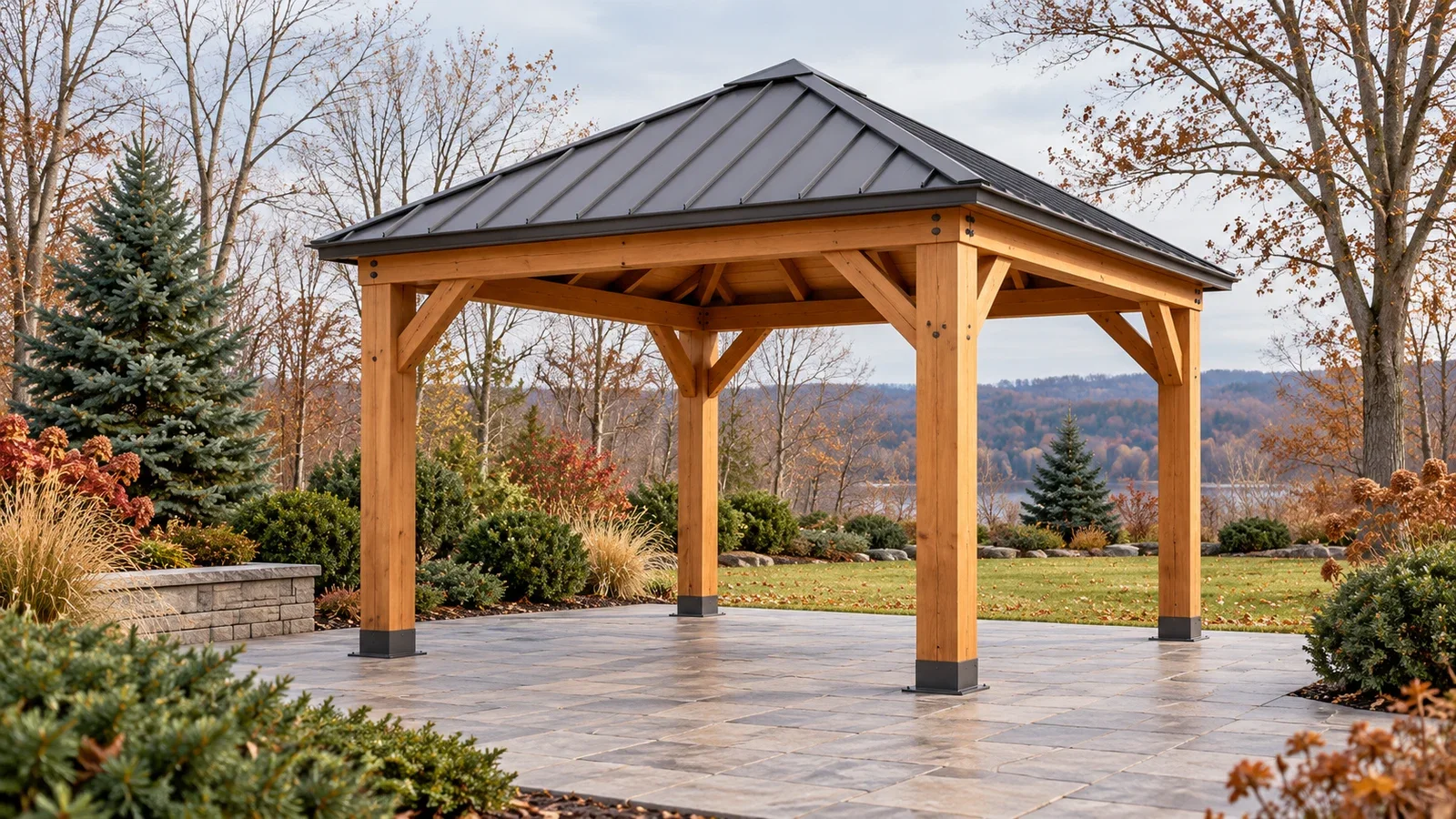
A hardtop gazebo uses rigid roof panels; a soft top uses a fabric canopy. A hardtop is worth considering for a lasting outdoor setup when the exact model is suitable for the site and climate. A soft top can suit seasonal shade when you are comfortable removing, storing and eventually replacing fabric as needed. Compare the full installed cost and care routine, not just the kit price. Neither roof label, by itself, establishes a wind or snow rating.
Separate the roof type from the frame material
Hardtop does not mean that every component is metal. A gazebo can combine wooden posts with an aluminum roof, or an aluminum frame with steel roof panels. Soft-top kits commonly use a metal frame beneath the fabric. Identify the roof, frame and finish separately so you know what needs inspection or treatment.
Also distinguish a frame assembled from separate parts from a folding pop-up canopy. Both can carry fabric roofs, but their setup, storage and use instructions may be very different. This comparison concerns purchased gazebo kits; it does not assume that every soft top folds into a bag or that every hardtop is approved for permanent installation.
| Decision point | Hardtop gazebo | Soft top gazebo |
|---|---|---|
| Roof material | Rigid panels, such as metal | Fabric canopy over a frame |
| Assembly work | Panel alignment and roof components | Frame assembly and canopy fitting |
| Ongoing roof care | Inspect panels, connections and finish | Inspect fabric, seams and attachment points |
| Seasonal work | Follow model-specific weather guidance | Plan for required canopy removal and storage |
| Replacement planning | Check panel and hardware availability | Check exact canopy size and attachment pattern |
The frame can matter as much as the roof to your maintenance workload. For a closer comparison of the supporting structure, see our guide to metal and wood hardtop gazebo kits. Choose the complete product rather than assuming one roof description tells you everything about it.
Compare the total cost in separate layers
Keep the purchase price, delivery, assembly and site work as separate lines. A kit sale can make a product look inexpensive while leaving you with a substantial base or attachment requirement. Conversely, a higher kit price may include accessories that another product sells separately. Compare equivalent sizes, clear interior dimensions and included components before deciding which quote is better.
For a concrete assembly example, UPTask’s published 11–14-foot size bracket starts at $399 for a fabric canopy. A single-layer hardtop adds $250, giving $649; the multi-panel/double-roof option adds $350, giving $749. These amounts were checked in October 2026 and cover assembly of supplied parts, not the gazebo purchase or materials. Confirm the current selection for the exact model.
UPTask uses the longest listed side and the supplied roof construction. If a fractional dimension falls between the displayed size brackets, have the model reviewed rather than rounding it down. Foundation work, ground preparation and anchoring are not automatically included. The gazebo assembly cost guide explains the broader scope to confirm.
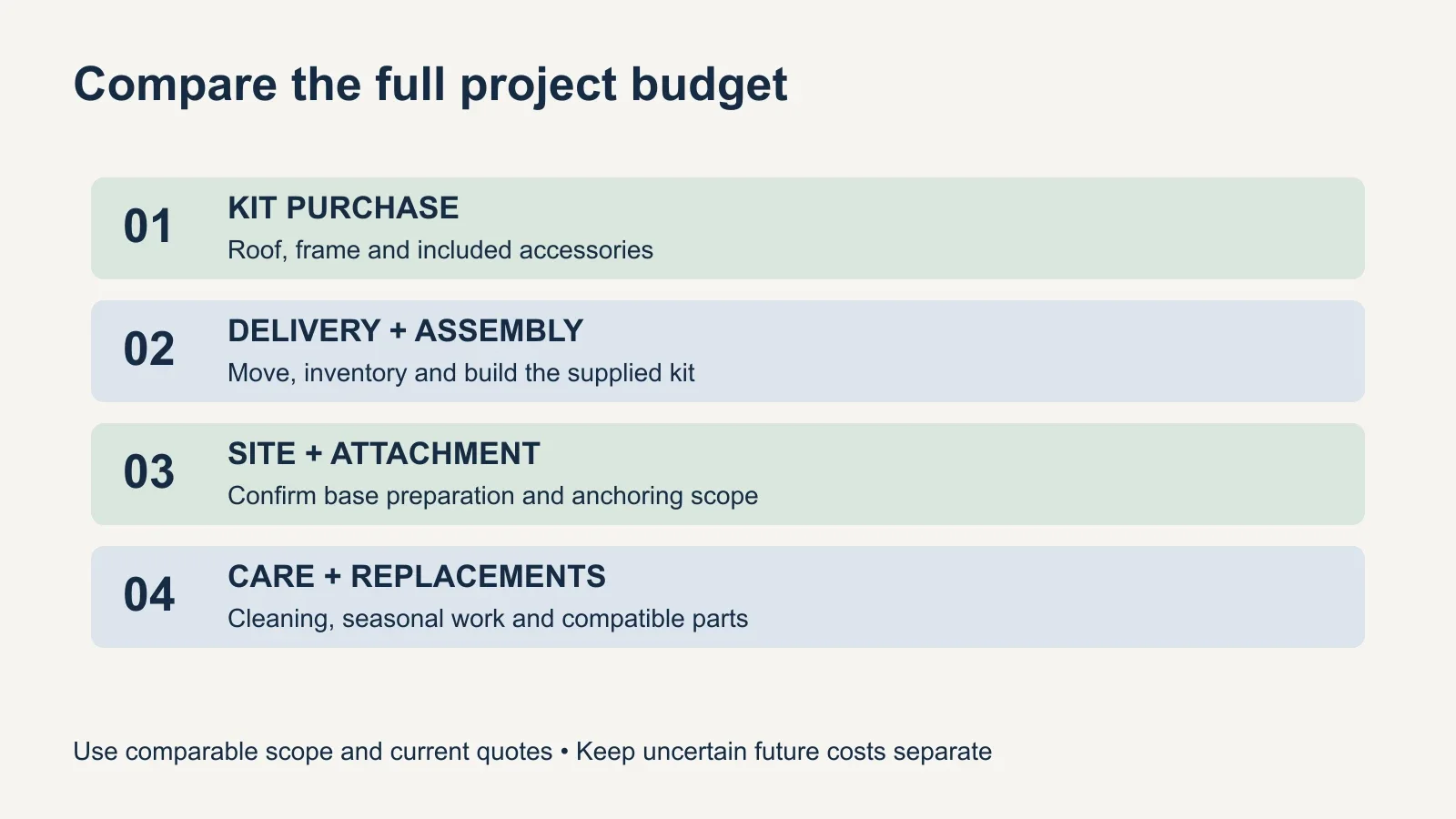
For ownership costs, write down the current price of a compatible replacement canopy or roof panel if available. Add any expected seasonal labor, storage supplies and finish care. Avoid assuming a fabric replacement every fixed number of years or a maintenance-free hardtop lifespan: exposure, care, product construction and parts availability vary.
A simple comparison sheet can use the same ownership period for both options, with separate rows for known quotes and uncertain future expenses. If you do not know how often a canopy will need replacement, compare more than one scenario instead of presenting a single forecast as fact. That makes the tradeoff visible without inventing a guaranteed service life.
Decide which maintenance routine you can sustain
With a fabric roof, examine the canopy for tears, loose attachments and worn seams as directed by the manual. Keep drainage features clear and maintain the specified fit. A sagging roof is a reason to check the setup, not a place to let water collect. Use the cleaning method on the fabric label; a treatment that suits one material may damage another.
IKEA’s gazebo care guidance, for example, tells owners to clean the fabric and let it dry thoroughly before storing it in a cool, dry place. It also calls for roof removal in windy conditions or heavy rain. Treat that as guidance for its fabric-roof products, not permission to dismantle a rigid roof. Plan any removal before hazardous weather arrives.
For a metal hardtop, follow the manufacturer’s instructions for cleaning and finish repairs. SUNJOY’s Summit Heavy-Duty steel model, for example, calls for mild soap and water, periodic rust checks and appropriate paint touch-ups where needed. A hard surface still needs attention at fasteners, seams and damaged coatings; “low maintenance” does not mean no inspection.
Wooden frames bring their own finish-care requirements regardless of the roof above them. Keep the care instructions with the model number, receipt and parts list. Record any replacement canopy’s exact attachment pattern and roof-tier arrangement, since the same nominal gazebo size can use a different fabric shape.
Match the model to the season and site
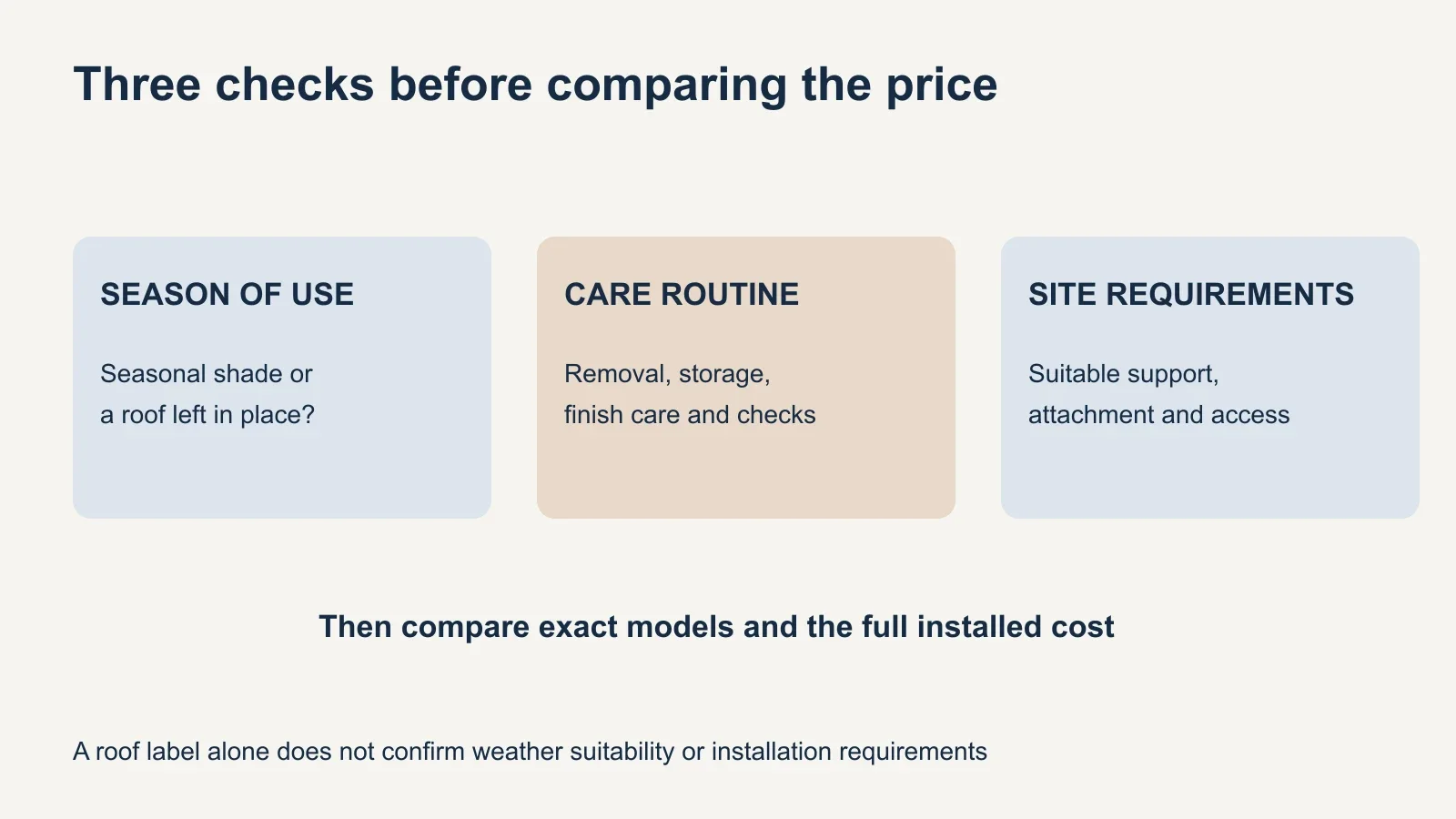
If you want the roof to remain in place through winter, look for explicit instructions and ratings for that exact product. A fabric gazebo marketed for shade may require seasonal removal; a hardtop may still require snow clearing and removal of curtains or netting. Follow the stated conditions rather than treating all-season advertising as a promise that you can ignore the structure.
Anchoring and the supporting base are separate requirements for both types. A heavy hardtop is not automatically secure because it is heavy, and a light canopy is not automatically suitable for any patch of ground. Check the installation requirements before comparing convenience. A product that cannot be installed appropriately at your site is not a useful bargain.
Roof construction also affects the feel of the space. An opaque metal roof blocks overhead light; some rigid-panel products use translucent materials with different light transmission. Fabric color and construction change the shade beneath a canopy. Compare the specific material and ventilation arrangement rather than promising that one roof category will always feel cooler.
Choose around your actual use pattern
For occasional summer dinners, a fabric-roof kit may fit your needs if its instructions match the expected conditions and you have a realistic removal and storage plan. Before choosing it, consider who will handle the canopy and where it can dry. Removability is useful only when the required task is manageable for your household.
For a frequently used patio that you want to leave furnished, a suitable hardtop may justify the more involved initial setup. Check the weather limitations and ongoing inspection needs first. The rigid roof can remain a fixed part of the space only where the model and installation allow it; open sides still leave furnishings exposed to wind-driven rain.
If the property is rented or you expect to relocate, review permission and installation constraints before buying either type. Removing the fabric does not necessarily make an assembled frame portable, and dismantling a panel roof may be a substantial project. Do not choose a permanent setup on the assumption that it will be easy to move later.
Prepare the comparison before arranging assembly
- Exact model numbers, dimensions and roof construction for each option.
- Current kit price and a list of included roof, curtain and netting components.
- Assembly scope plus any separate base or attachment work.
- Instructions for weather preparation, cleaning and seasonal storage.
- Availability and price of model-compatible replacement parts.
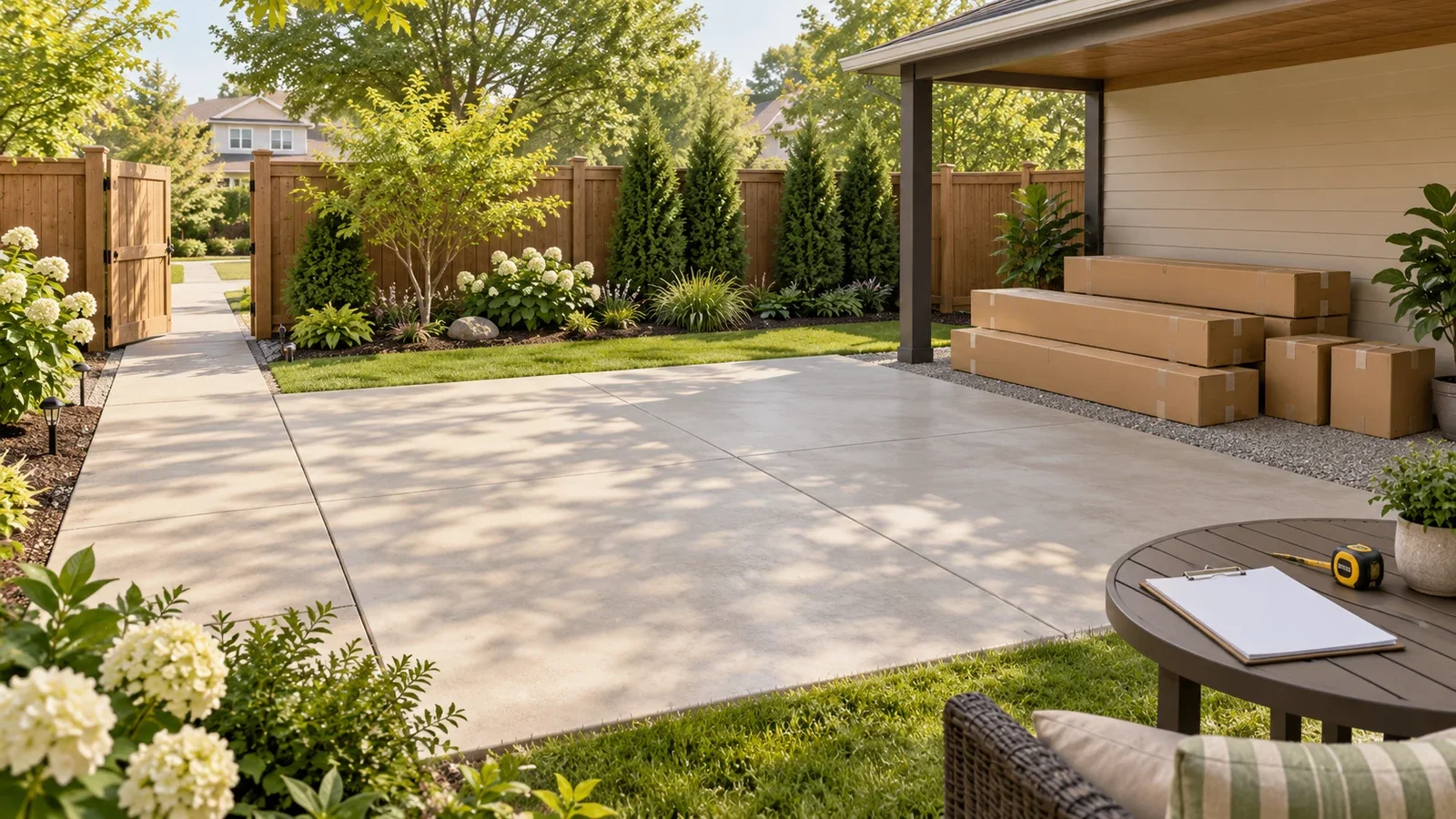
- Photos of the site and the route from delivery to the installation area.
When arranging gazebo assembly with UPTask, send the kit details and identify any work the site needs first. Confirm the selected roof option and scope before the visit. The right choice is the product you can install appropriately, use as intended and maintain consistently within the budget you have set.