TV MountingDo You Need Studs to Mount a TV? When Drywall Anchors Can and Can’t Be Used
Many TV mounts require attachment to studs or approved masonry. A purpose-built no-stud system is a separate option with specific wall and load requirements.
Practical tv mounting advice, helpful planning checklists, and ideas for your next home project.
TV MountingMany TV mounts require attachment to studs or approved masonry. A purpose-built no-stud system is a separate option with specific wall and load requirements.
TV MountingChoose a mount by the movement you need, then verify that its wall attachment, TV compatibility and clearances work together. Category names are only the starting point.
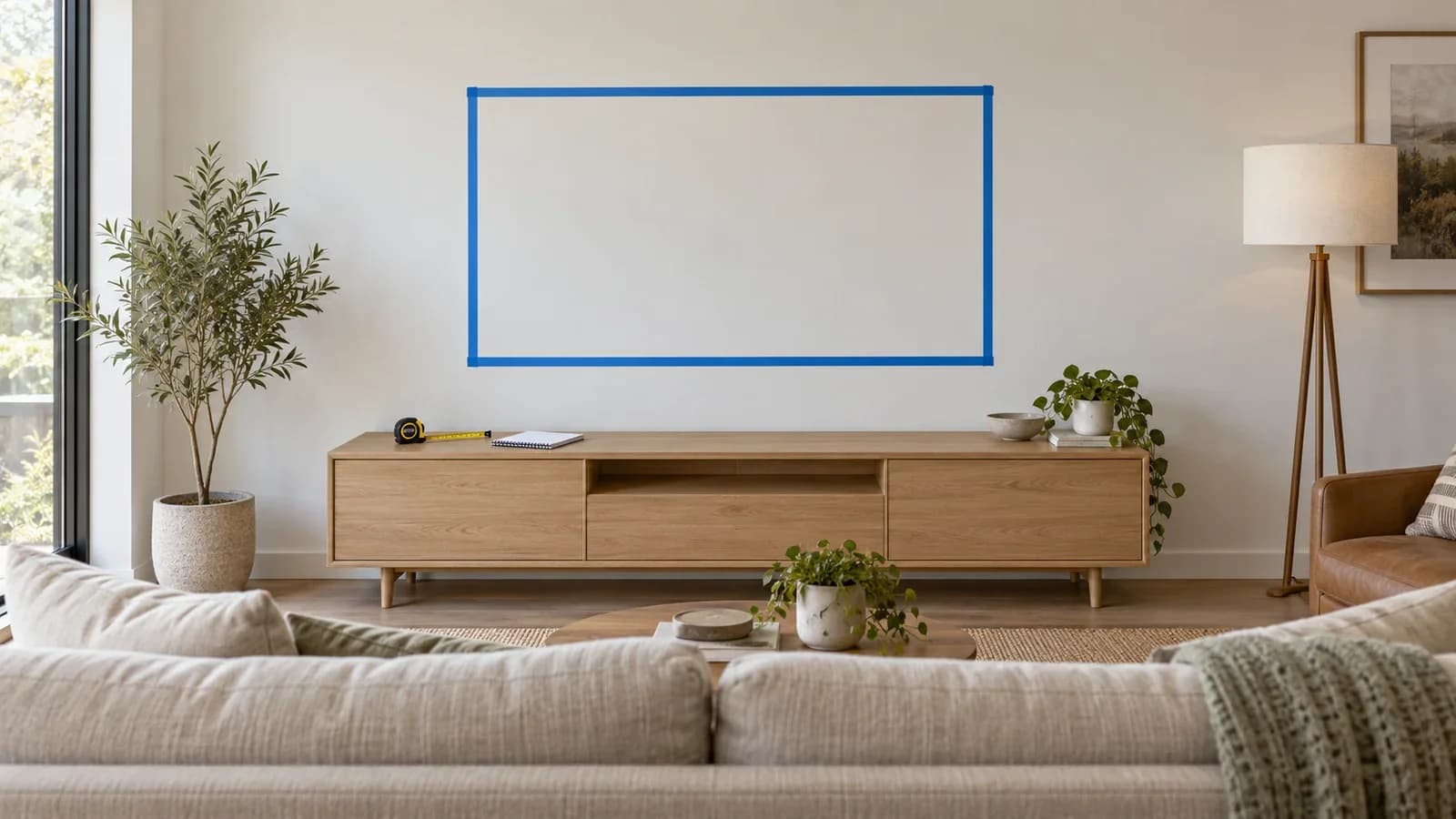
TV MountingStart with your viewing position, then calculate where the screen edges will land. This height chart uses a stated 42-inch center as an example, not a rule for every room.
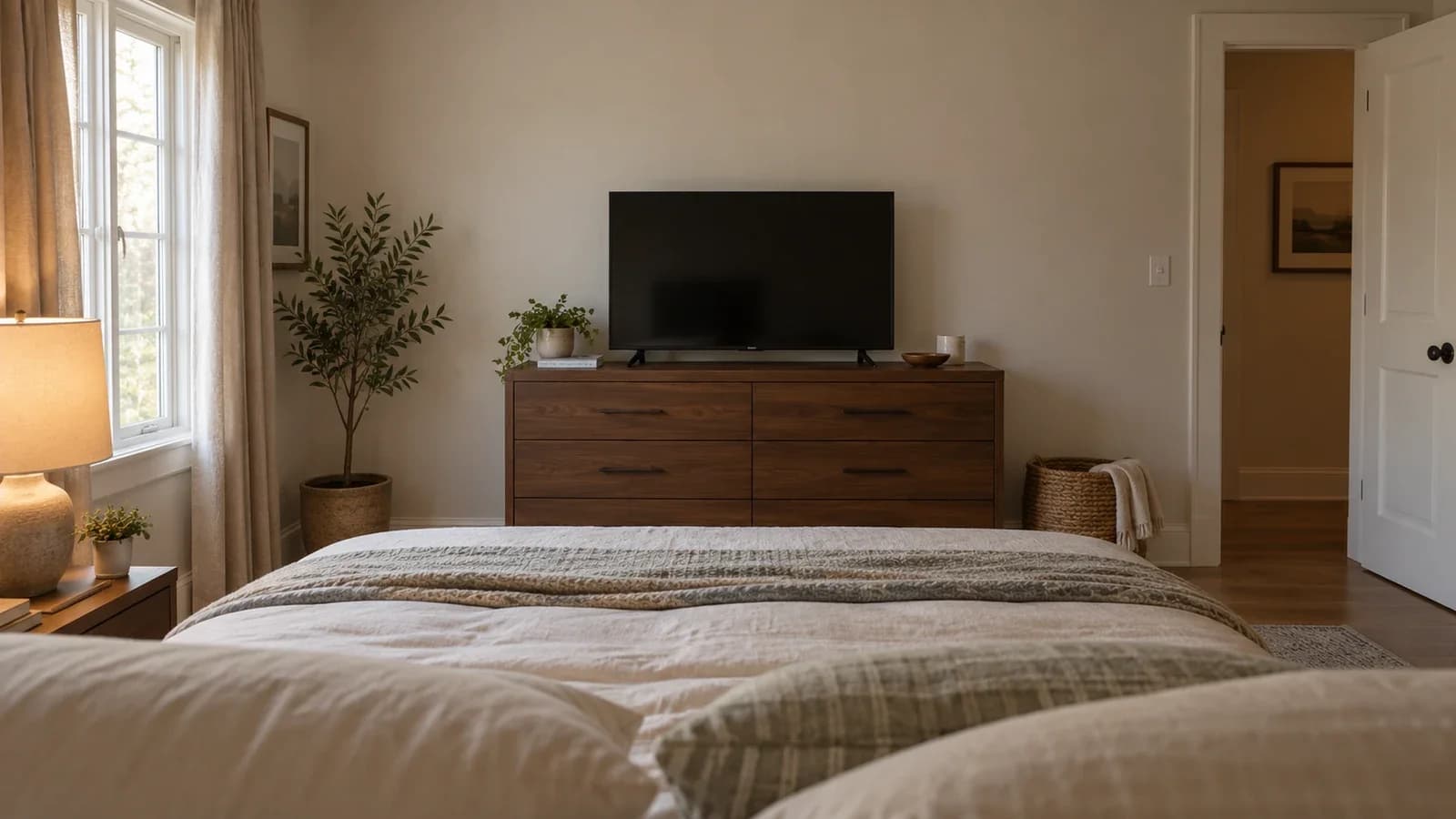
TV MountingA bedroom TV needs a placement test from the bed, not a copied living-room measurement. Use your usual posture and furniture to choose and document the screen position.
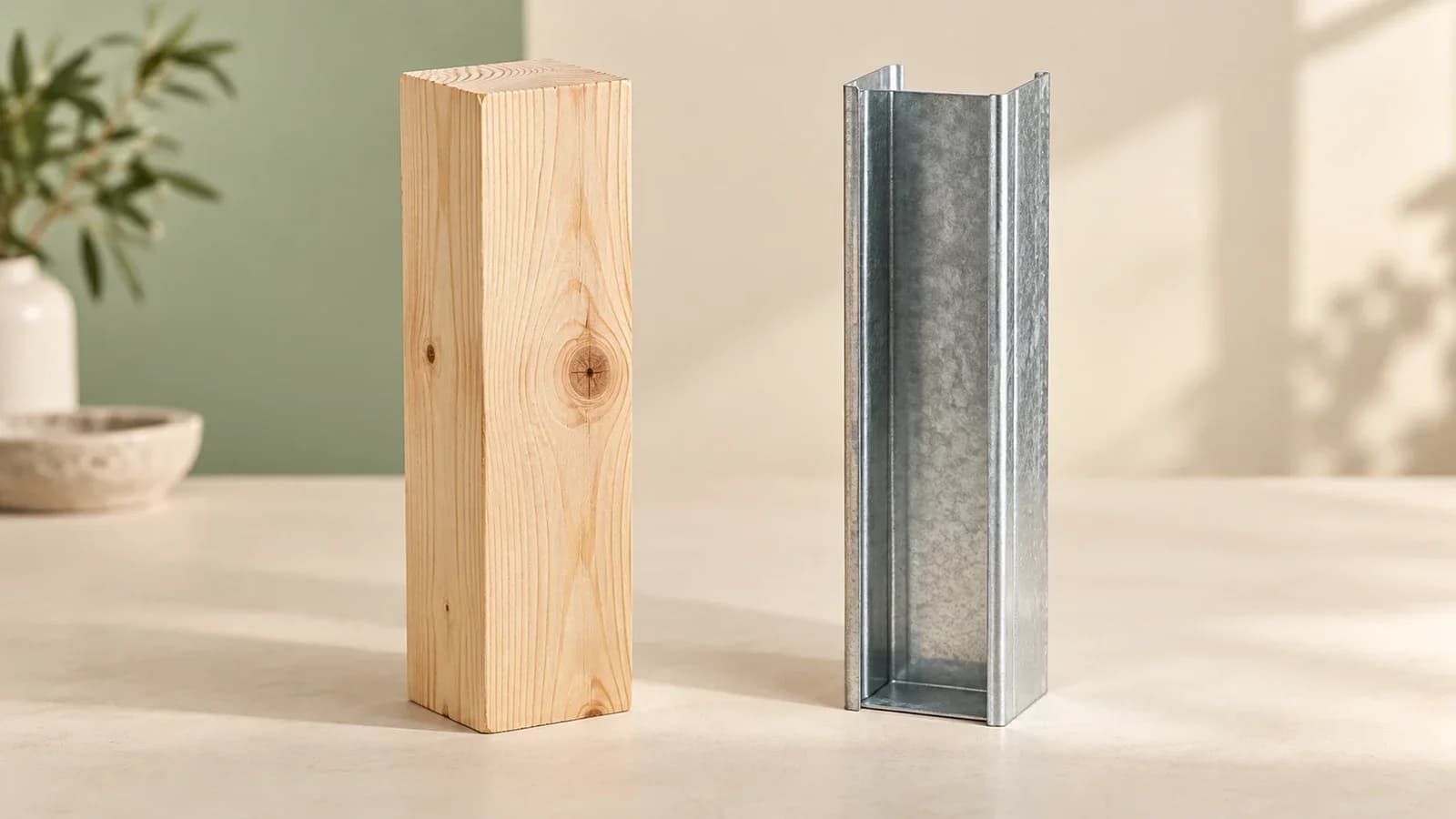
TV MountingYes, a suitable steel-stud wall can support an approved TV mounting system. The wall assembly, mount and hardware must be assessed together.
TV MountingPlaster walls can be suitable for a TV, but the finish alone does not establish support. Identify the wall assembly, assess its condition and confirm the mount.
TV MountingA suitable brick wall can support a TV mounting system, but brick type, wall construction and hardware approval matter. Start with assessment before drilling.
TV MountingAn above-fireplace TV can work only when the equipment requirements, wall support and viewing position all agree. A tilting mount does not solve excessive heat.
TV MountingA one-to-two-hour estimate is a useful starting point, but the wall, mount and included tasks matter. Separate the work duration from the arrival window.